Where we aim to make a difference
Every action on our platform is to support the people affected by some of the world's most urgent humanitarian crises. Many of these crises are made worse by the same governmental and institutional powers that fuel or benefit from violence, displacement, and the systems that profit from both. These are the causes your daily acts support, and why they matter.
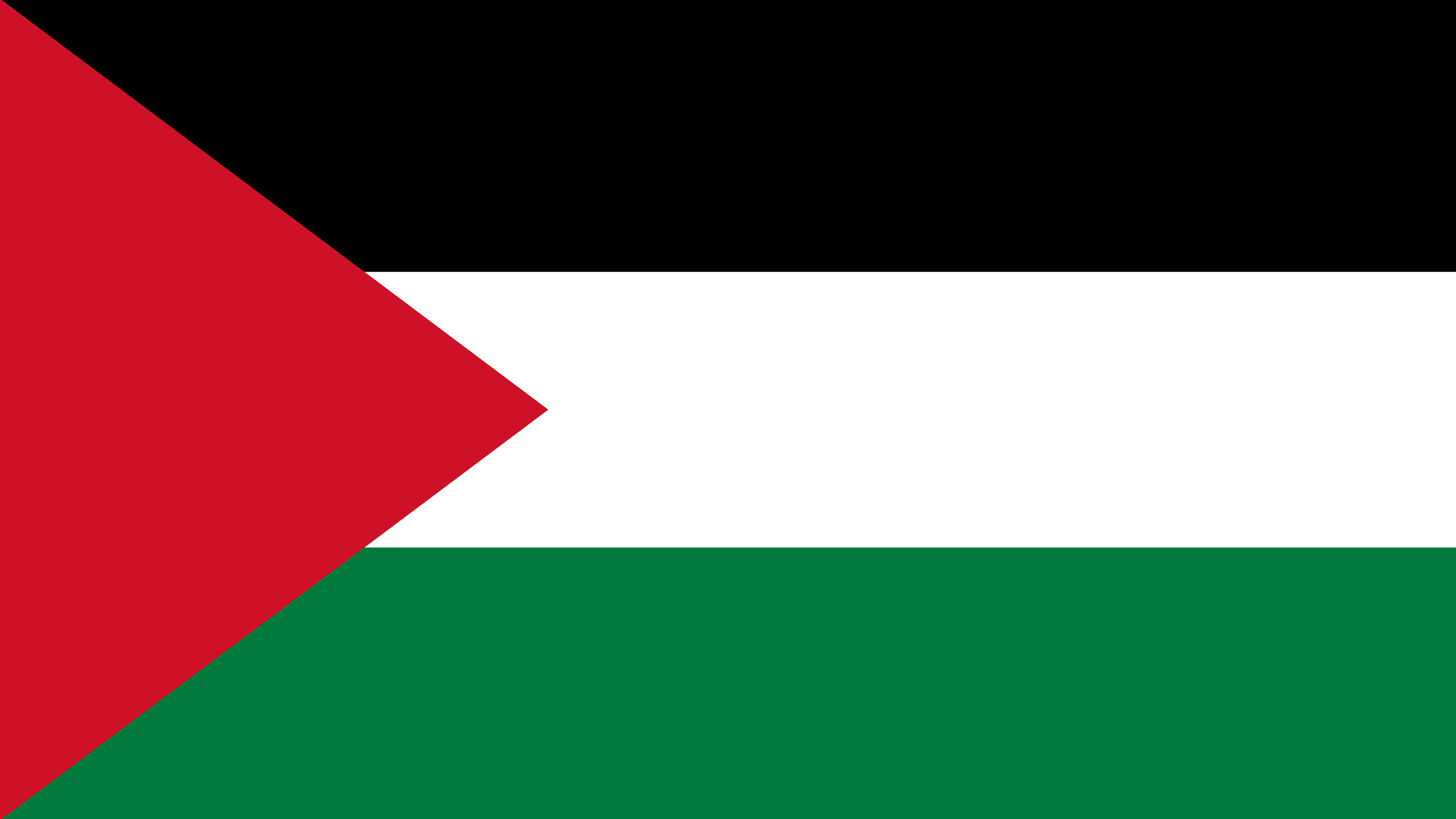
Palestine
Palestine is the core cause of this platform. For generations, Palestinians have faced displacement, Israeli occupation, apartheid and blockade. Since October 2023, Israel’s assault on Gaza has killed tens of thousands of Palestinians and devastated homes, hospitals, schools and entire communities. A UN Commission of Inquiry has found Israel responsible for genocide in Gaza. This violence has been enabled by decades of impunity and sustained military, political and diplomatic support from powerful governments, including the US, UK and European states. Millions of Palestinians remain displaced, while occupation, settlement expansion, restrictions on movement, detention and attacks on civilian life continue across the occupied Palestinian territories. In Gaza, the destruction of homes, infrastructure and basic services has made daily survival extraordinarily difficult, while meaningful international accountability has repeatedly fallen short. Your daily acts help push against that impunity by building pressure through boycotts, petitions and political engagement, amplifying Palestinian journalists, organisers and cultural voices, learning the history and context, and supporting families and organisations directly. No single action can undo decades of injustice, but sustained public pressure, informed solidarity and direct support can all help shift what governments, institutions and companies are willing to tolerate.
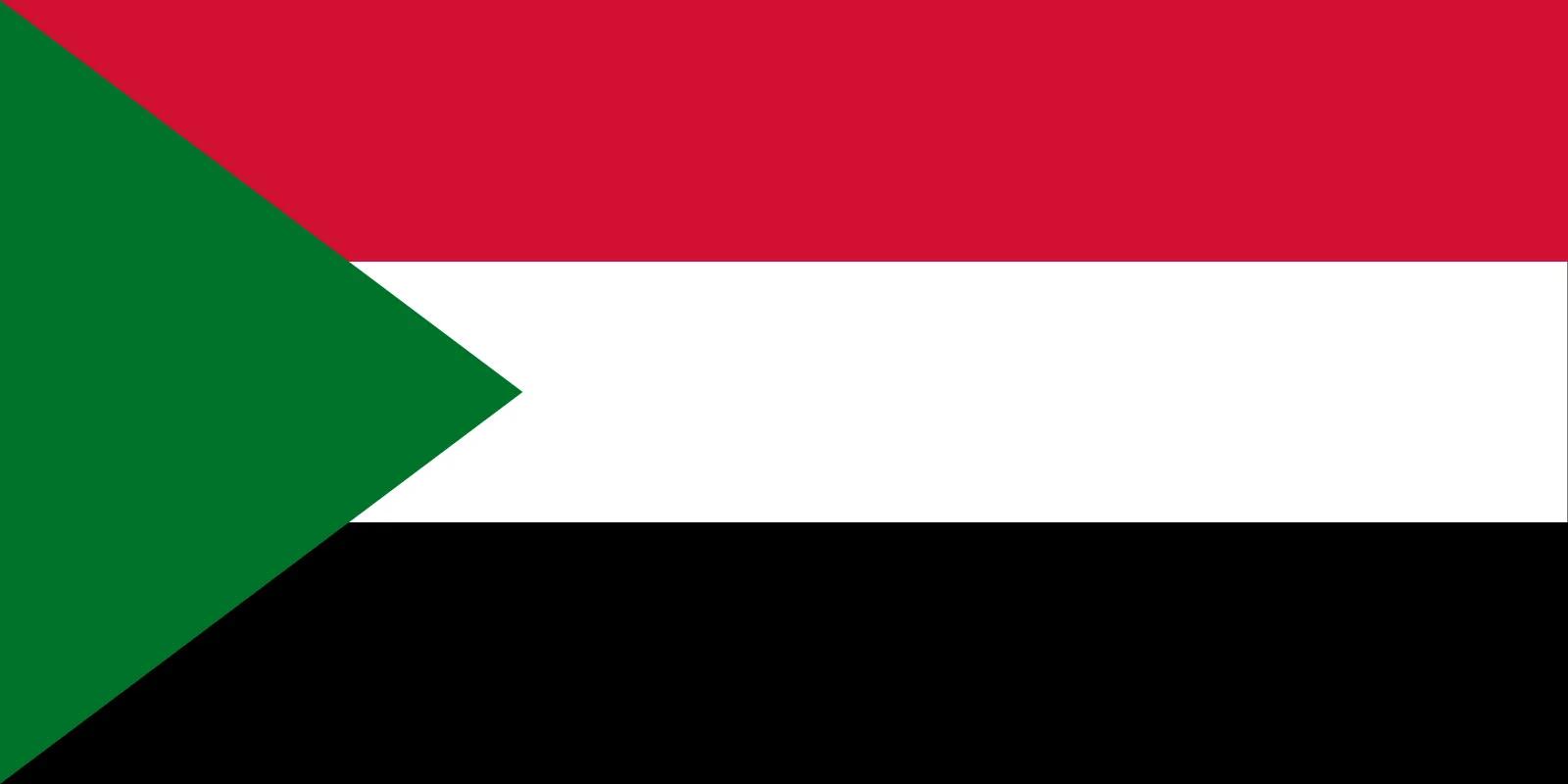
Sudan
Sudan is the world’s largest humanitarian crisis. Since April 2023, civil war between the Sudanese Armed Forces and Rapid Support Forces has forced millions from their homes, with civilians facing widespread killings, sexual violence, hunger and the collapse of essential services. UN investigators have found large-scale war crimes by both sides, and crimes against humanity by the RSF in Darfur. The war grew out of a power struggle between the Sudanese Armed Forces and Rapid Support Forces, whose leaders had jointly carried out the 2021 coup that derailed Sudan’s transition to civilian rule. The RSF has roots in the Janjaweed militias responsible for earlier atrocities in Darfur, and the current war has brought renewed ethnically targeted violence and ethnic cleansing there. The conflict is also being fuelled from outside Sudan. Human Rights Watch and Amnesty International have documented extensive evidence of UAE support for the RSF, which the UAE denies, and have called on the EU, US and other governments to use their influence to press the UAE to end that support. Your daily acts help by supporting Sudanese-led relief, amplifying Sudanese voices, learning the history and context behind a crisis that receives far too little global attention, and pressing governments and institutions to protect civilians, stop fuelling the war and support accountability.
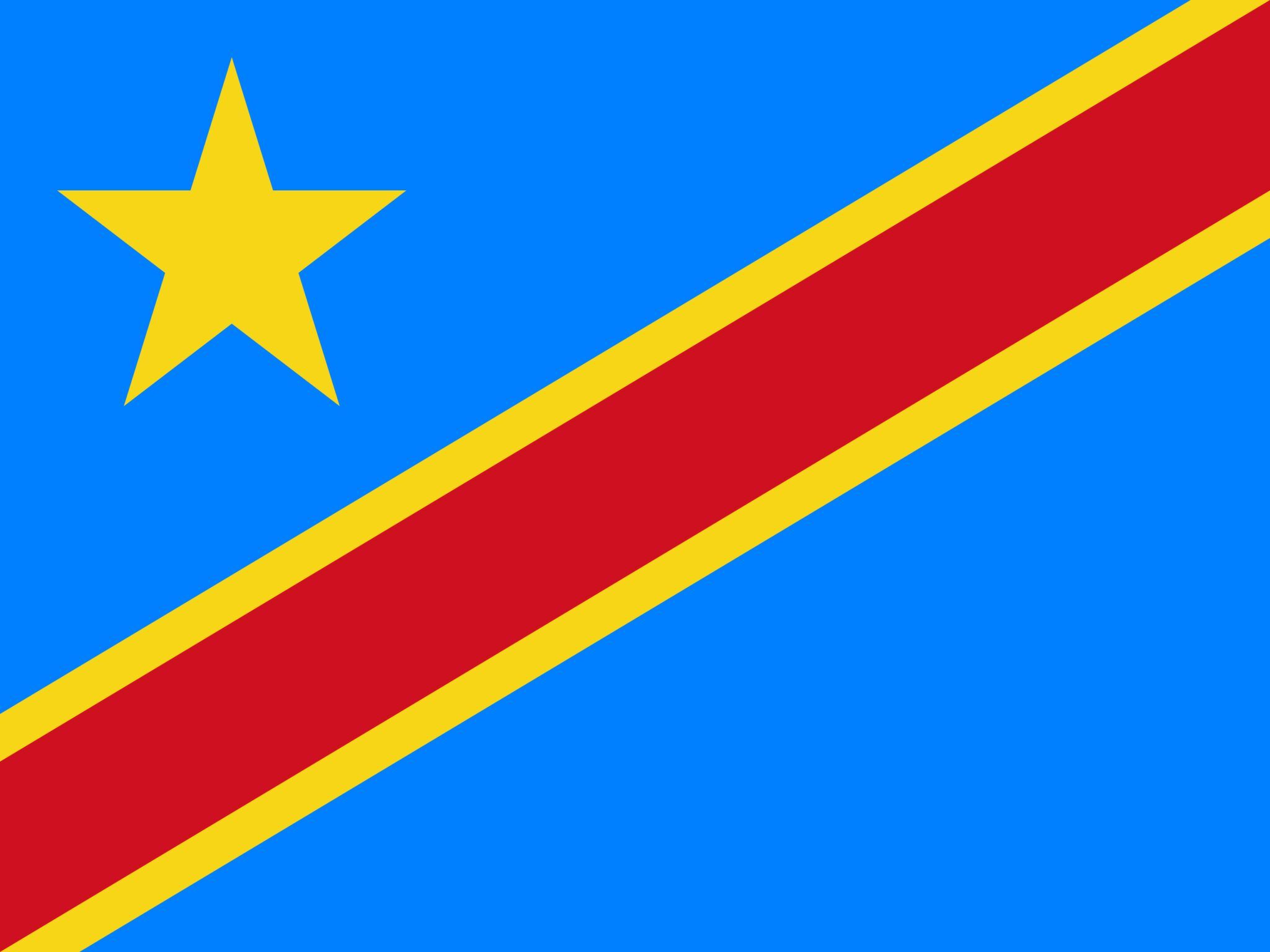
Congo
The Democratic Republic of the Congo has endured decades of conflict, with eastern provinces bearing much of the violence. Millions have been forced from their homes, while civilians face killings, sexual violence, forced recruitment and severely disrupted essential services. The Rwanda-backed M23 has carried out major offensives across North and South Kivu, while Congolese forces and other armed groups have also committed serious abuses. UN investigators say violations by parties to the conflict may amount to war crimes and crimes against humanity. The current crisis has roots in the regional wars of the 1990s and has been shaped by decades of political instability, foreign intervention and competition over land and mineral wealth. Numerous armed groups operate in eastern Congo. M23, backed by Rwanda, resurged in 2021, while the Congolese army and allied militias have also been responsible for serious abuses against civilians. Congo’s vast mineral wealth is deeply entangled with the conflict. Armed groups, including M23, have controlled major coltan-producing areas in eastern Congo, and UN experts have documented minerals being smuggled into Rwanda before entering international markets. Coltan from these areas can ultimately end up in the global electronics and automotive supply chains behind phones, laptops, cars and other everyday products. Investigations have linked conflict-tainted supply chains to suppliers used by some of the world’s biggest technology and manufacturing companies. Daily acts can challenge companies over where their minerals come from, push for stronger supply-chain transparency and responsible sourcing laws, support Congolese-led organisations and internally displaced people affected by the crisis, and amplify the journalists and campaigners exposing how violence and resource extraction are connected.
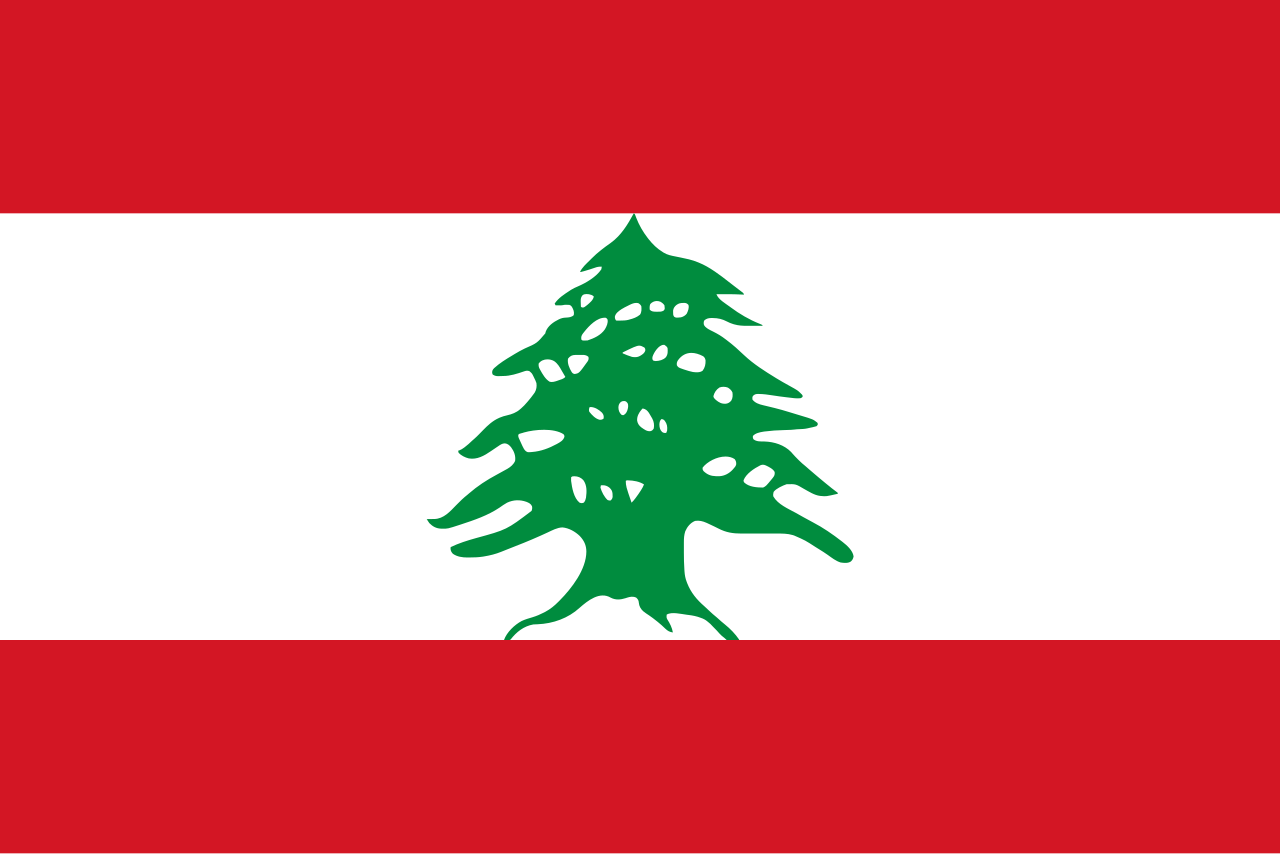
Lebanon
Lebanon has endured overlapping crises for years. A devastating financial collapse since 2019 weakened public services and pushed many people into poverty, while the 2020 Beirut port explosion left lasting trauma and an ongoing struggle for accountability. Since October 2023, hostilities between Israel and Hezbollah have repeatedly escalated, with Israeli strikes and ground attacks causing widespread civilian deaths, displacement and destruction across Lebanon. Human Rights Watch and Amnesty International have documented Israeli attacks on civilians and civilian infrastructure that they say should be investigated as war crimes. The violence has hit a country already struggling to recover. Homes, health facilities, schools and basic infrastructure have been damaged, and repeated displacement has forced families to rebuild their lives more than once. The impact extends beyond Lebanese citizens, affecting Syrian and Palestinian refugees and migrant communities who are often especially vulnerable during displacement. Daily acts can support Lebanese-led relief and displaced families, amplify journalists and civil society groups documenting abuses, and press governments over arms transfers and accountability for attacks on civilians. Other daily acts can help you better understand Lebanon’s history, the experiences of affected communities and the wider context behind the issues shaping life in the country today.
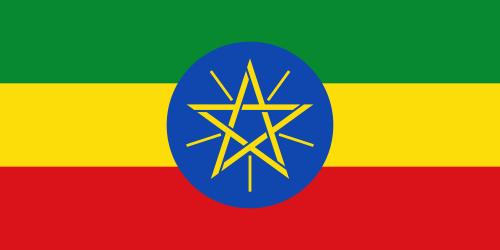
Ethiopia
Ethiopia has endured years of devastating conflict and political instability, with civilians across Tigray, Amhara and Oromia bearing much of the cost. The 2020 to 2022 war in Tigray was marked by mass killings, widespread sexual violence, forced displacement and other atrocities by multiple forces. Amnesty International and Human Rights Watch documented a campaign of ethnic cleansing against Tigrayans in Western Tigray, while UN investigators found reasonable grounds to believe that war crimes and crimes against humanity had been committed during the conflict. The 2022 peace agreement halted the main phase of the Tigray war, but it did not bring meaningful justice or accountability, and many people remain unable to return safely to their homes. Armed conflicts in Amhara and Oromia have brought further killings, displacement and attacks on civilians, while recurrent drought and flooding have deepened humanitarian needs across the country. Human rights groups have also warned that restrictions on journalists, civil society and independent investigators have made abuses harder to document and challenge. Daily acts can support Ethiopian-led organisations working with displaced people and survivors of violence, amplify the voices of communities whose experiences receive too little international attention, and press for humanitarian access, independent investigations and accountability for past and ongoing abuses. Learning about Tigray, Amhara, Oromia and the country’s wider political history can also help make sense of conflicts that are often reduced to ethnic tensions or overlooked altogether.
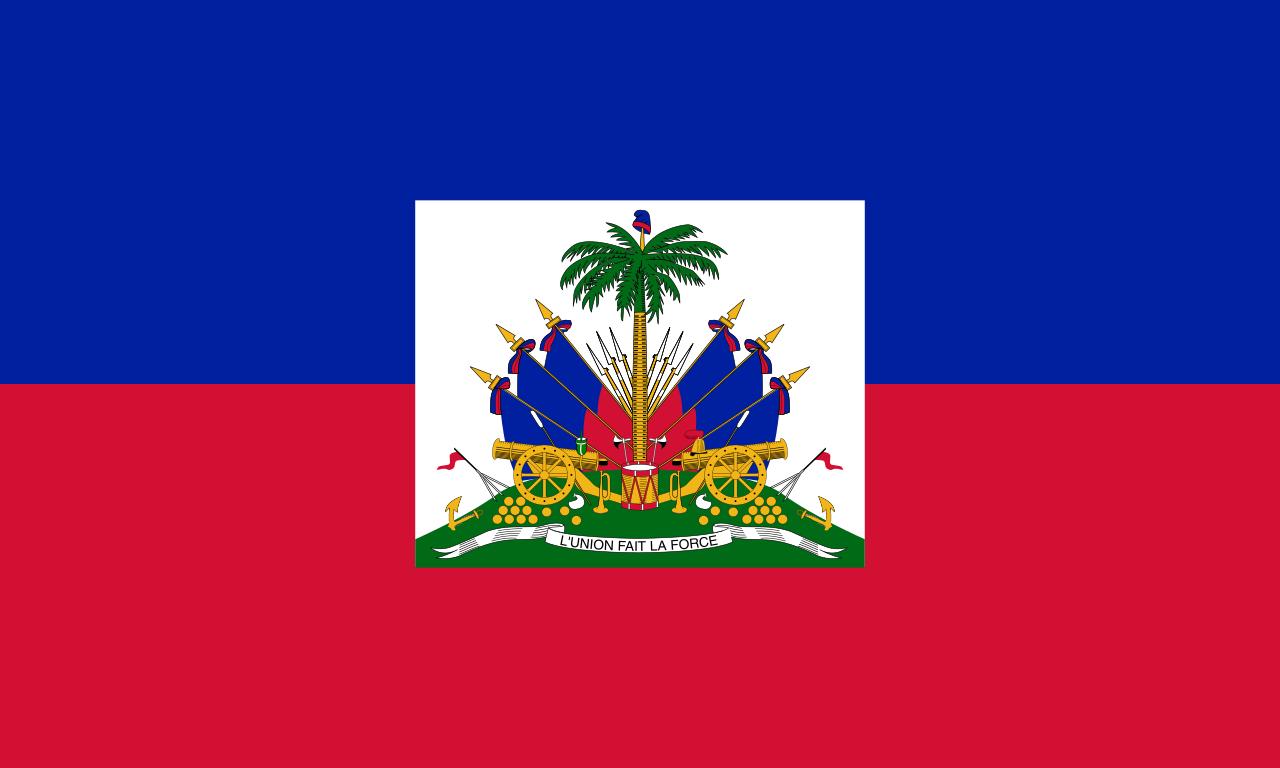
Haiti
Haiti is facing a deep political, humanitarian and security crisis. Armed criminal groups have terrorised communities through massacres, kidnappings, sexual violence and child recruitment, forcing families from their homes and cutting people off from food, healthcare and education. State institutions and the justice system have struggled to function, while widespread impunity has left civilians with little protection. The crisis didn't begin with the recent rise in armed groups. Haiti’s history has been shaped by colonial exploitation, a crushing independence debt imposed by France, US occupation and repeated foreign interference, alongside dictatorship, political instability and devastating natural disasters. The assassination of President Jovenel Moïse in 2021 deepened the constitutional crisis, while weapons and ammunition trafficked into Haiti, much of it from the US, have continued to fuel violence. Daily acts can support Haitian-led organisations, displaced families and survivors of violence, amplify Haitian journalists and human rights defenders, and press governments to curb arms trafficking and protect Haitians seeking safety from forced return. Learning about Haiti’s history also matters, because today’s crisis is often presented as little more than gang violence, obscuring the colonial extraction, foreign intervention and political failures that have helped shape it.